
Uterine Fibroid Treatment Without Surgery
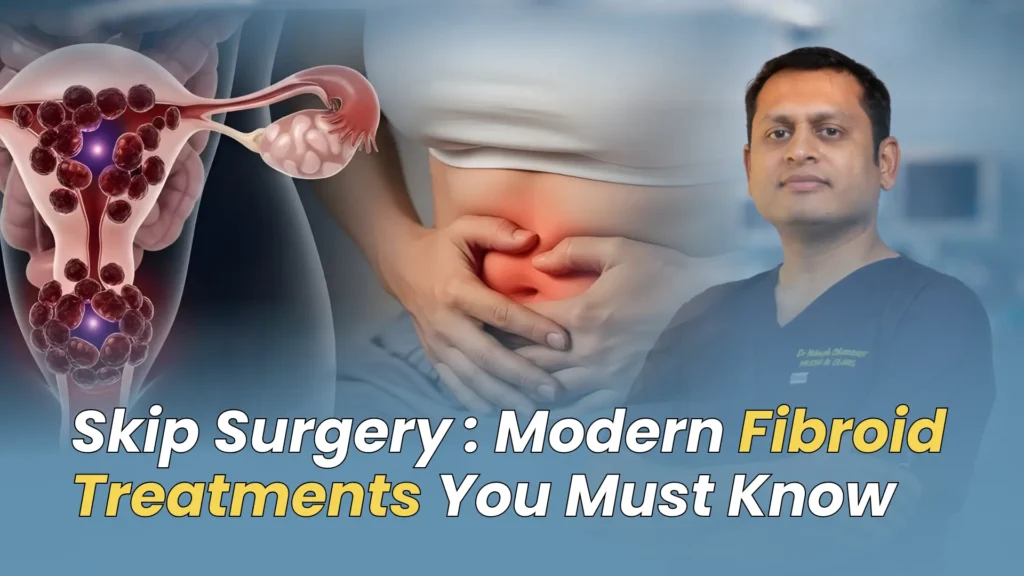
Uterine fibroids are one of the common gynecological conditions affecting women, especially between the ages of 30 and 50. While many fibroids remain small and harmless, some can cause significant symptoms such as heavy menstrual bleeding, pelvic pain, bloating, frequent urination, or anemia that affects daily life.
Traditionally, surgical options such as myomectomy or hysterectomy were considered the main treatment options for symptomatic fibroids. Today, uterine fibroid embolization (UFE), performed by specialists in interventional radiology, offers a minimally invasive, non-surgical alternative that treats fibroids effectively while preserving the uterus.
What Is Uterine Fibroid Embolization
Uterine fibroid embolization is an image-guided interventional radiology procedure used to treat symptomatic uterine fibroids by cutting off their blood supply.
Fibroids depend on blood flow to grow and survive. During UFE, tiny particles are injected into the blood vessels supplying the fibroids. This blocks their blood flow, causing the fibroids to shrink gradually over time and leading to relief from symptoms.
Importantly, the uterus itself continues to receive blood from other vessels, allowing it to remain healthy.
Who Is a Good Candidate for Uterine Fibroid Embolization
UFE is commonly recommended for women who:
- Have symptomatic uterine fibroids
- Experience heavy or prolonged menstrual bleeding
- Have pelvic pain, pressure, or bulk-related symptoms
- Want to avoid surgery or hysterectomy
- Wish to preserve the uterus
- Are not ideal candidates for major surgery due to medical conditions
UFE is generally used for uterinefibroids. A proper evaluation, including imaging and gynecological assessment, is essential before deciding on treatment.
How Uterine Fibroid Embolization Is Performed
Uterine fibroid embolization is typically performed by an interventional radiologist as a day-care or short hospital stay procedure
The procedure involves the following steps:
- A small puncture is made in the groin or wrist under local anesthesia.
- Using live X-ray imaging, a thin catheter is guided into the uterine arteries.
- Embolization particles are injected to block blood flow to the fibroids.
- Once blood supply is reduced, the catheter is removed and the access site is closed.
The procedure usually takes 60 to 90 minutes.
Recovery After Uterine Fibroid Embolization
After UFE, most patients experience a period of cramping and discomfort, known as post-embolization syndrome, which is managed with medications.
Typical recovery includes:
- Hospital observation for pain control
- Return to normal routine activities within a few days
- Gradual improvement in symptoms over weeks to months
Fibroids continue to shrink over time, with most women noticing significant improvement in bleeding and pressure symptoms within the first 3 months.
Benefits of Uterine Fibroid Embolization
Compared to surgery, uterine fibroid embolization offers several advantages:
- No large surgical incision
- No removal of the uterus
- Shorter hospital stay
- Faster recovery
- Lower risk of complications
- Effective relief from heavy bleeding and pain
- Treatment of multiple fibroids at the same time
For many women, UFE provides symptom relief while maintaining bodily integrity and avoiding major surgery.
Uterine Fibroid Embolization vs Surgery
Surgery may still be required in some cases, particularly when cancer is suspected, or when fertility planning requires a specific surgical approach.
However, UFE is often preferred when:
- Multiple fibroids are present
- The patient wants to avoid hysterectomy
- Recovery time needs to be minimized
- A minimally invasive approach is desired
Unlike Myomectomy, embolization treats all fibroids simultaneously, including those that may not yet be causing symptoms.
Is Uterine Fibroid Embolization Safe
When performed by experienced interventional radiologists, uterine fibroid embolization is considered safe and effective. Major complications are uncommon.
Possible risks include:
- Temporary pain or fever after the procedure
- Infection (rare)
- Early menopause in a small percentage of older patients
Careful patient selection and proper follow-up significantly reduce these risks.
Is Uterine Fibroid Embolization Right for You
If uterine fibroids are affecting your quality of life and you are looking for a treatment that avoids surgery, UFE may be an excellent option. A consultation involving imaging, gynecological evaluation, and discussion of personal goals helps determine the most suitable treatment approach.
About the Author
Dr Vikash Chennur is the Founder and Medical Director of Vikash IR Clinic, Bangalore.
He completed his MD Radiology at the prestigious All India Institute of Medical Sciences, New Delhi, where he was awarded the Gold Medal by Manmohan Singh in 2009 for being the best radiology postgraduate resident.
Dr Chennur has completed fellowships in Vascular and Interventional Radiology from the University of Ottawa and Body (Abdominal) Imaging from the University of Calgary. He also holds FRANZCR and EBIR qualifications, reflecting extensive international expertise in interventional radiology.