Uterine Fibroid Treatment Options in India
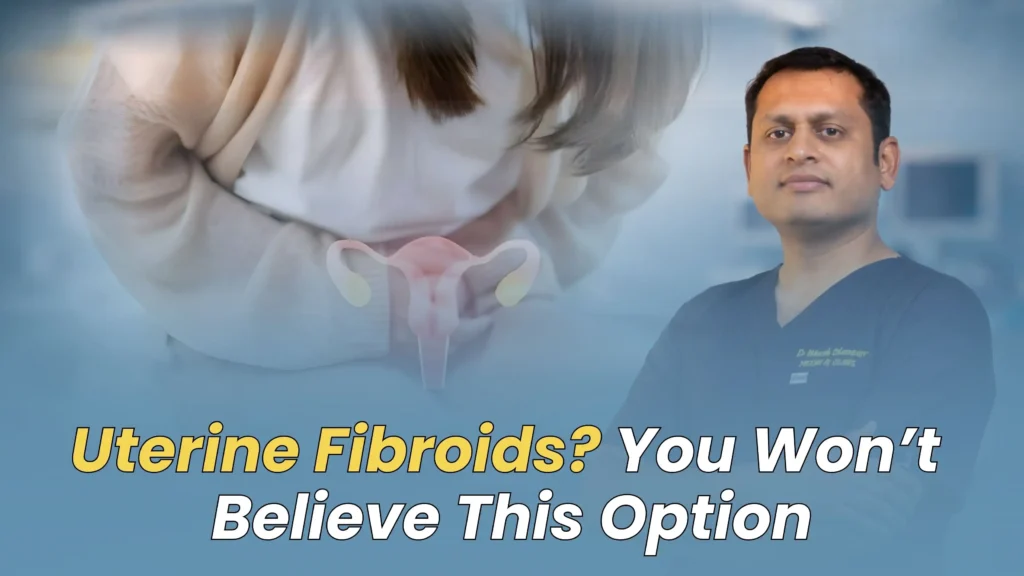
Uterine fibroids are one of the most common non-cancerous tumors seen in women of reproductive age in India. Many women live with fibroids for years without symptoms, while others experience heavy menstrual bleeding, pelvic pain, pressure symptoms, anemia, infertility concerns, or reduced quality of life.
The good news is that India offers multiple effective treatment options for uterine fibroids, ranging from medical management to advanced minimally invasive procedures and surgery. The right choice depends on symptoms, fibroid size and location, age, fertility goals, and overall health.
Do All Uterine Fibroids Need Treatment?
No. Many fibroids are small, asymptomatic, and discovered incidentally on ultrasound. These often only need regular monitoring.
Treatment is usually recommended when fibroids cause:
- Heavy or prolonged menstrual bleeding
- Severe pelvic pain or pressure
- Frequent urination or bowel symptoms
- Anemia
- Infertility or pregnancy-related complications
- Rapid fibroid growth
Medical Management of Uterine Fibroids
1. Medications
Medical treatment is often the first step for women with mild symptoms.
Common options include:
- Hormonal medications to control bleeding
- Pain relievers for cramps
- Drugs that temporarily shrink fibroids
Limitations:
Medications do not permanently remove fibroids. Symptoms often return once treatment is stopped, and fibroids may continue to grow over time.
Minimally Invasive Non-Surgical Options in India
2. Uterine Fibroid Embolization
Uterine fibroid embolization is a well-established interventional radiology procedure available at many tertiary hospitals in India.
How it works:
Tiny particles are injected into the uterine arteries to block blood supply to fibroids, causing them to shrink gradually.
Advantages:
- No surgery or large incisions
- Uterus is preserved
- Treats multiple fibroids at once
- Short hospital stay
- Faster recovery compared to surgery
Uterine fibroid embolization is particularly suitable for women who want to avoid hysterectomy or are not ideal surgical candidates.
3. Radiofrequency and Microwave Ablation Techniques
In selected cases, fibroids can be treated using image-guided ablation techniques, where heat energy is used to destroy fibroid tissue.
Key points:
- Minimally invasive
- Suitable for specific fibroid sizes and locations
- Faster recovery than surgery
Availability varies across centers in India and careful patient selection is essential.
Surgical Options for Uterine Fibroids in India
4. Myomectomy
Myomectomy involves surgical removal of fibroids while preserving the uterus.
Types include:
- Open myomectomy
- Laparoscopic myomectomy
- Robotic-assisted myomectomy
Best suited for:
- Women planning future pregnancy
- Very Large fibroids causing severe symptoms
Considerations:
- Requires anesthesia
- Longer recovery compared to non-surgical options
- Risk of fibroid recurrence over time
5. Hysterectomy
Hysterectomy is the complete removal of the uterus and is a definitive solution for fibroids.
Recommended when:
- Childbearing is complete
- Symptoms are severe
- Other treatments have failed
Limitations:
- Major surgery
- Longer recovery
Permanent loss of fertility
Choosing the Right Fibroid Treatment in India
India offers a wide range of fibroid treatment options, but the best choice is highly individualized.
Factors that influence decision-making include:
- Age and desire for future pregnancy
- Severity of symptoms
- Number, size, and location of fibroids
- Overall health and surgical risk
- Preference for non-surgical treatment
A consultation with both gynecologist and an interventional radiologist often helps patients understand all available options before deciding.
Why Awareness About Non-Surgical Options Is Important
Many women in India are still unaware that non-surgical treatments for fibroids exist. As a result, hysterectomy is sometimes offered as the first option, even when uterus-preserving treatments may be possible.
With advances in interventional radiology, women now have more choices that balance symptom relief, safety, and quality of life.
When Should You Seek Specialist Advice?
You should consider consulting a specialist if:
- Fibroid symptoms are affecting daily life
- Medical treatment is no longer effective
- Surgery has been advised and you want to explore alternatives
- You wish to preserve your uterus
Early evaluation allows access to a wider range of treatment options.
About the Author
Dr Vikash Chennur is the Founder and Medical Director of Vikash IR Clinic, Bangalore.
He completed his MD Radiology at the prestigious All India Institute of Medical Sciences, New Delhi, where he was awarded the Gold Medal by Manmohan Singh in 2009 for being the best radiology postgraduate resident.
Dr Chennur has completed fellowships in Vascular and Interventional Radiology from the University of Ottawa and Body (Abdominal) Imaging from the University of Calgary. He also holds FRANZCR and EBIR qualifications, reflecting extensive international expertise in interventional radiology.