Thyroid Nodule Ablation: A Modern, Non-Surgical Treatment Option
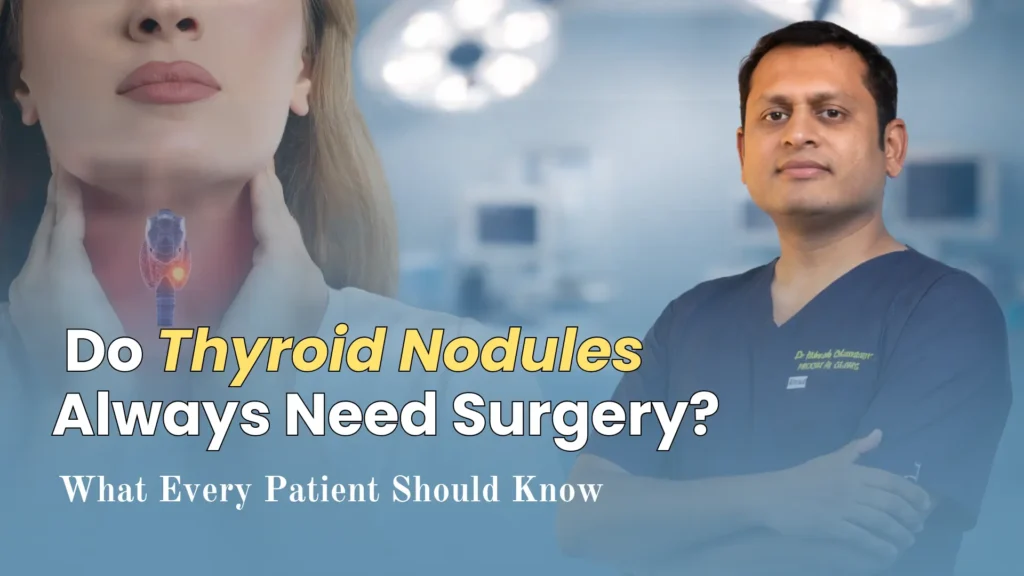
Thyroid nodules are extremely common. Many people discover them incidentally during a health check-up or imaging done for another reason. While most thyroid nodules are benign and harmless, some can grow large enough to cause symptoms like neck swelling, difficulty swallowing, voice changes, or cosmetic concerns.
Traditionally, surgery was the main treatment option for symptomatic thyroid nodules. Today, thyroid nodule ablation offers a minimally invasive, non-surgical alternative for selected patients—providing effective results without scars, hospital stays, or removal of the thyroid gland.
What Is Thyroid Nodule Ablation?
Thyroid nodule ablation is a minimally invasive, image-guided procedure used to shrink benign thyroid nodules without surgery. Instead of removing the nodule, heat or other energy is applied directly to destroy abnormal tissue, which is then gradually absorbed by the body over time.
The most commonly used ablation techniques include:
- Radiofrequency Ablation (RFA)
- Microwave Ablation (MWA)
- Ethanol Ablation (mainly for cystic nodules)
- Laser Ablation
These procedures are performed under ultrasound guidance, ensuring precision and safety.
Who Is a Candidate for Thyroid Nodule Ablation?
Thyroid nodule ablation is typically recommended for patients who have:
- Benign thyroid nodules confirmed by biopsy
- Nodules causing pressure symptoms like difficulty swallowing or breathing
- Visible neck swelling or cosmetic concerns
- Nodules that continue to grow over time
- Normal or near-normal thyroid hormone levels
- A preference to avoid surgery or lifelong thyroid medication
It is important to note that thyroid nodule ablation is not used for most thyroid cancers. Proper evaluation and diagnosis are essential before considering this treatment.
How Thyroid Nodule Ablation Is Performed
The procedure is usually done as a day-care treatment and does not require general anesthesia.
Here’s how it typically works:
- The patient lies comfortably while the neck area is cleaned and numbed with local anesthesia.
- Using real-time ultrasound guidance, a thin probe is inserted directly into the thyroid nodule.
- Controlled energy (radiofrequency, microwave, or laser) is delivered to heat and destroy the nodule.
- The probe is repositioned carefully to treat the entire nodule while protecting nearby structures such as nerves and blood vessels.
- The probe is removed, and the patient is observed for a short period before going home.
The entire procedue usually takes 30 to 60 minutes.
How Interventional Radiology Procedures Are Performed
Most interventional radiology procedures follow a similar process:
- Imaging guidance is used to precisely locate the problem.
- A tiny skin puncture is made, usually in the arm, groin, or directly over the target area.
- Catheters or needles are guided through blood vessels or tissues using live imaging.
- The condition is treated—by opening a blockage, stopping bleeding, destroying abnormal tissue, or delivering targeted therapy.
- The puncture site is closed, often without stitches.
Because the trauma to the body is minimal, patients usually experience less pain and fewer complications.
What Happens After Ablation?
After thyroid nodule ablation:
- Most patients go home the same day
- Mild neck discomfort or swelling may occur but usually resolves quickly
- Normal activities can often be resumed within 24–48 hours
- The treated nodule gradually shrinks over weeks to months
Studies show that nodules typically reduce in size by 50–80% or more over time, leading to significant improvement in symptoms and appearance.
Benefits of Thyroid Nodule Ablation
Compared to surgery, thyroid nodule ablation offers several advantages:
- No surgical incision or visible scar
- No removal of the thyroid gland
- Minimal pain and faster recovery
- Very low risk of complications
- No need for lifelong thyroid hormone replacement in most patients
- Can be repeated if needed
For many patients, ablation provides symptom relief while preserving normal thyroid function.
Thyroid Nodule Ablation vs Surgery
Surgery may still be necessary in certain situations, especially when cancer is suspected or confirmed. However, thyroid nodule ablation is often preferred when:
- The nodule is benign
- Symptoms are mild to moderate
- The patient wants to avoid surgery
- There is a concern about surgical scars or anesthesia risks
Unlike surgery, ablation does not remove the entire nodule at once. Instead, it shrinks the nodule gradually, which is usually sufficient to relieve symptoms.
Is Thyroid Nodule Ablation Safe?
When performed by experienced specialists, thyroid nodule ablation is considered safe and effective. Complications are uncommon but may include:
- Temporary voice changes
- Mild pain or bruising
- Rare injury to nearby nerves
Careful patient selection, ultrasound guidance, and operator expertise are key to minimizing risks.
Is Thyroid Nodule Ablation Right for You?
If you have been diagnosed with a benign thyroid nodule and are experiencing symptoms—or are concerned about surgery—it is worth discussing minimally invasive options with your doctor. A detailed evaluation including ultrasound, biopsy, and thyroid function tests helps determine whether ablation is suitable.
About the Author
Dr Vikash Chennur is the Founder and Medical Director of Vikash IR Clinic, Bangalore.
He completed his MD Radiology at the prestigious All India Institute of Medical Sciences, New Delhi, where he was awarded the Gold Medal by Manmohan Singh in 2009 for being the best radiology postgraduate resident.
Dr Chennur has completed fellowships in Vascular and Interventional Radiology from the University of Ottawa and Body (Abdominal) Imaging from the University of Calgary. He also holds FRANZCR and EBIR qualifications, reflecting extensive international expertise in interventional radiology.