Interventional Pain Management
- Home / Interventional Pain Management
What Is Interventional Pain Management?
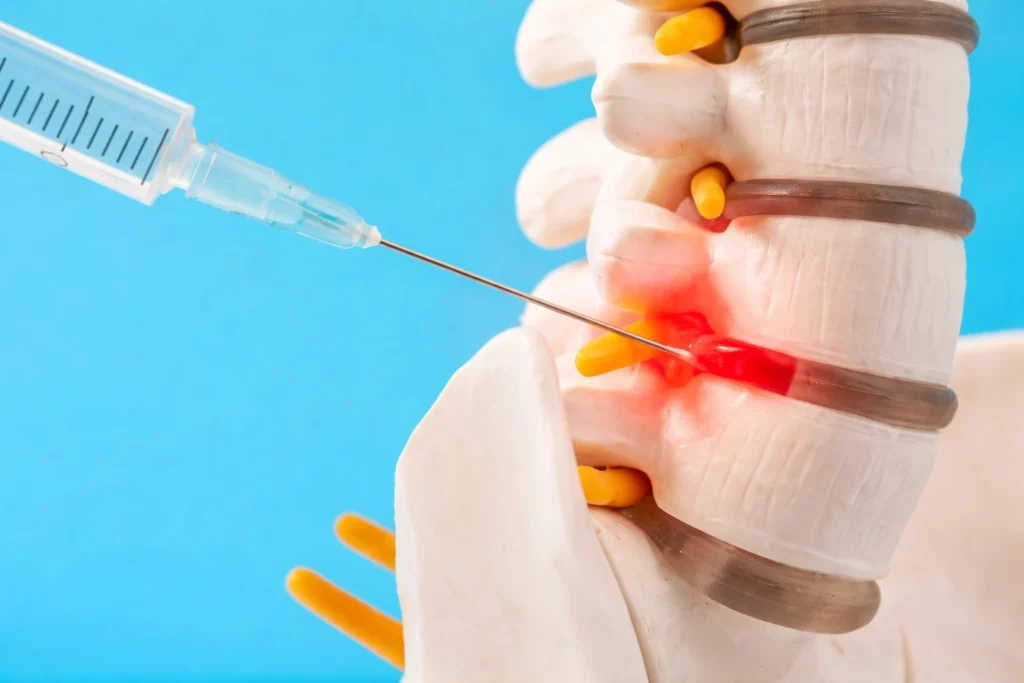
Pain can be complex, and treatment should focus on the real cause rather than just controlling symptoms. Interventional pain management uses precise, image-guided treatments to target the source of pain, helping reduce the need for long-term pain medications and, in some cases, avoid or delay surgery. These minimally invasive procedures are designed to protect normal body function and usually allow faster recovery, so many patients experience effective pain relief with minimal interruption to their daily lives.
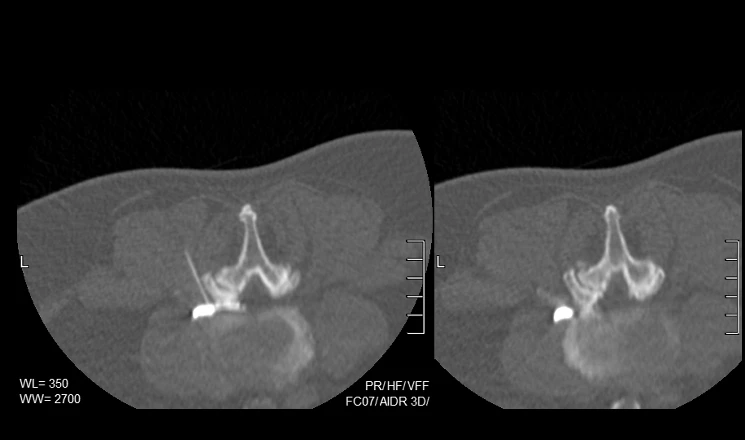
Using real-time imaging such as ultrasound, fluoroscopy, or CT, targeted injections and interventions are delivered with high accuracy—helping reduce pain, improve mobility, and restore quality of life.
Interventional Pain Management
Interventional pain management may be considered when pain persists despite medications, physiotherapy, or conservative treatment.
Commonly treated conditions include:
- Back pain (disc-related pain, facet joint pain, nerve compression)
- Neck pain and cervical spine pain
- Sciatica and radicular pain
- Arthritis-related joint pain (knee, shoulder, hip and other joints)
- Post-surgical pain
- Cancer-related pain
- Musculoskeletal and nerve-related pain syndromes
Common Interventional Pain Procedures Offered
- Image-guided nerve blocks
- Facet joint injections
- Epidural steroid injections
- Selective nerve root blocks
- Joint injections (knee, shoulder, hip and other joints)
- Cancer pain interventions
- Cancer pain interventions
- Sympathetic blocks in selected cases
Why Choose Interventional Pain Management at Vikash IR Clinic?
At Vikash IR Clinic, Bangalore, interventional pain management is offered after a careful clinical and imaging-based evaluation to identify the exact pain generator. The site of pain is targeted precisely using ultrasound or CT and the affected sites are treated with injections or ablations.
Dr. Vikash Chennur, a senior Interventional Radiologist in Bangalore with extensive experience in image-guided, minimally invasive interventions.
Care is focused on:
- Accurate diagnosis using imaging guidance
- Targeted, precision-based treatment
- Individualised pain management plans
- Avoiding unnecessary surgery wherever possible
The emphasis is on safe, effective pain relief while helping patients return to daily activities and improve overall quality of life.
Procedure Overview & Recovery
Interventional pain procedures are typically performed through small needle punctures, without surgical incisions.
- Anaesthesia: local anesthesia (with or without mild sedation)
- Procedure duration: usually 15–45 minutes
- Hospital stay: usually not required, outpatient procedures
Most patients are able to walk immediately after the procedure and return home the same day. Mild soreness at the injection site may occur temporarily and is managed with simple medications.
Symptom relief may be immediate or gradual, depending on the condition being treated.
Have Persistent Pain and Looking For Options?
Frequently Asked Questions About Interventional Pain Management
MRI is recommended when you experience persistent pain, neurological symptoms, or unexplained changes in your body. It helps doctors identify the exact cause and plan accurate treatment with clear internal imaging.
1. What is interventional pain management?
It is a minimally invasive approach to pain treatment using image-guided injections or procedures to target the exact source of pain.
2. Is interventional pain management safe?
Yes. When performed by an experienced specialist using imaging guidance, these procedures have a strong safety profile.
3. Will this cure my pain permanently?
Results vary depending on the condition. Some patients experience long-lasting relief, while others may need repeat or combined treatments.
4. Is surgery avoided with interventional pain management?
In many cases, these treatments help delay or avoid surgery. However, surgery may still be required in some situations.
5. Are these procedures painful?
Most procedures cause minimal discomfort and are performed under local anesthesia.
6. How soon can I resume daily activities?
Most patients resume normal activities within 24–48 hours.
7. Will I need to stop my medications?
This depends on the procedure and your medical condition. You will be advised individually.
8. Is interventional pain management suitable for elderly patients?
Yes. These minimally invasive treatments are often particularly suitable for elderly patients who may not tolerate surgery well.
9. Is interventional pain management available in Bangalore?
Yes. Interventional pain management is available in Bangalore at Vikash IR Clinic, following detailed evaluation.