
Musculoskeletal (MSK) Embolization
- Home / Musculoskeletal (MSK) Embolization
What Is Musculoskeletal (MSK) Embolization?
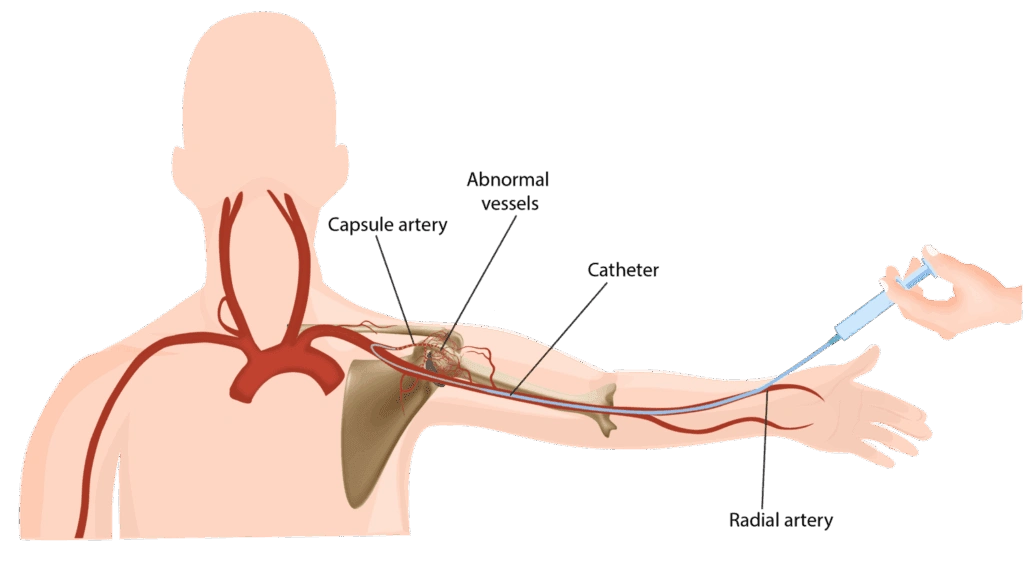
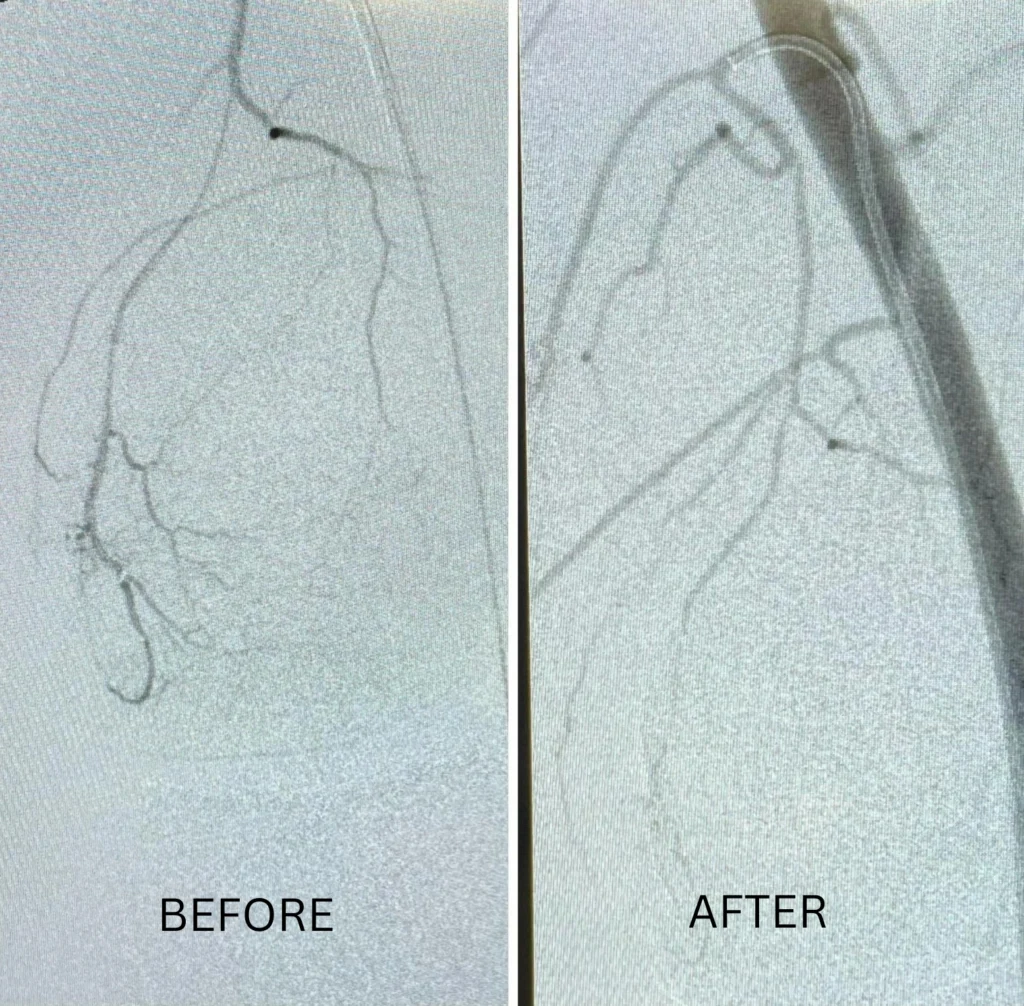
Musculoskeletal (MSK) embolization is a minimally invasive, image-guided treatment used to manage chronic pain caused by inflammation in muscles, joints, tendons, or surrounding soft tissues. In certain conditions, abnormal blood vessels develop around inflamed areas, sustaining pain and swelling. MSK embolization works by selectively reducing this abnormal blood flow, helping to control inflammation and relieve pain.
This treatment does not involve surgery, implants, or joint replacement. It is increasingly considered for patients with persistent musculoskeletal pain who have not responded adequately to medications, physiotherapy, or injections and are looking for alternatives to surgery.
Careful imaging evaluation is essential to identify abnormal vascular patterns and determine whether MSK embolization is appropriate.
Symptoms That May Benefit From MSK Embolization
MSK embolization may be advised when chronic musculoskeletal pain affects mobility, function, or quality of life.
Common symptoms include
- Persistent joint pain (knee, shoulder, hip, ankle, elbow)
- Pain related to tendinitis or bursitis
- Chronic inflammation around joints or soft tissues
- Pain that limits daily activities or exercise
- Symptoms not adequately controlled with conservative treatments
Why Choose MSK Embolization at Vikash IR Clinic?
Management of chronic musculoskeletal pain depends on accurate diagnosis and understanding the underlying cause of inflammation. At Vikash IR Clinic, MSK embolization is considered only after a detailed imaging-based and clinical evaluation confirms that abnormal blood flow is contributing to symptoms.
While medications, physiotherapy, injections, and surgery remain important treatment options, MSK embolization offers a targeted, minimally invasive alternative for selected patients. Using image-guided precision, the procedure focuses on abnormal vessels associated with pain while preserving normal tissues.
The emphasis is on appropriate patient selection, careful procedural planning to provide durable pain relief, faster recovery, and improved function without major surgery.
Procedure Overview & Recovery Timeline
MSK embolization is performed through a small puncture in the wrist or groin, without any surgical incision. Using real-time imaging guidance, a thin catheter is navigated to the abnormal blood vessels supplying the inflamed area. Tiny embolic particles are then delivered to reduce abnormal blood flow and inflammation.
The procedure usually takes one to two hours and is performed under local anesthesia with mild sedation. Most patients can go home the same day.
Recovery is generally smooth. Mild soreness or swelling in the treated area may occur temporarily and is managed with medications. Most patients can return to normal daily activities within a few days, with gradual improvement in pain and function over the following weeks. Follow-up clinical evaluation and imaging may be advised to monitor response and outcomes.
Explore more about available treatment options
Frequently Asked Questions About Musculoskeletal (MSK) Embolization
MRI is recommended when you experience persistent pain, neurological symptoms, or unexplained changes in your body. It helps doctors identify the exact cause and plan accurate treatment with clear internal imaging.
1. What is MSK embolization?
Musculoskeletal embolization is a minimally invasive, image-guided procedure used to treat chronic pain caused by inflammation in joints, tendons, or soft tissues.
2. Is MSK embolization a surgical procedure?
No. It is a non-surgical treatment performed through a small puncture in the wrist or groin, without any incisions.
3. Who may benefit from MSK embolization?
It may be considered for patients with persistent musculoskeletal pain that has not improved with medications, physiotherapy, or injections.
4. How does MSK embolization reduce pain?
The procedure reduces abnormal blood flow associated with inflammation, helping to decrease pain and swelling.
5. What conditions can be treated with MSK embolization?
Conditions include chronic joint pain, tendinitis, bursitis, and other inflammation-related musculoskeletal disorders.
6. How long does the procedure take?
The procedure typically takes one to two hours and is performed under local anesthesia with mild sedation.
7. How soon can I return to normal activities?
Most patients can return to normal daily activities within a few days after the procedure.
8. Is MSK embolization painful?
Most patients experience minimal discomfort. Mild soreness afterward is temporary and manageable.
9. Will MSK embolization cure my condition?
MSK embolization helps manage pain and inflammation but may not cure the underlying degenerative condition.
10. How is eligibility for MSK embolization decided?
Eligibility is based on imaging findings, symptom severity, and response to previous treatments.